Introduction
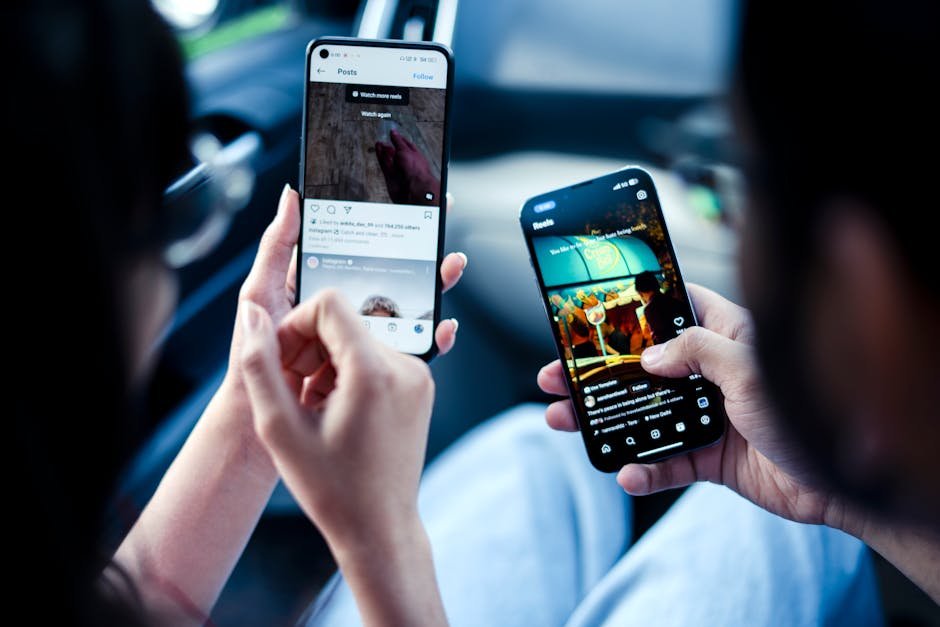
Dosto, ek sachchai jo har smartphone user ko sachmein chandi maar deti hai: iPhone ya Android? Ek saal mein ek baar yeh debate zaroor uthta hai - jaise kisi religion ki baat ho! Lekin sach puchiye, kya ek dusra se sachmein behtar hai? Ya bas personal preference ki baat hai?
Aaj ki blog mein hum dono ekosysteem ko technical, practical, aur India-centric nazarine se compare karenge. Koi brand bias nahi, bas sach aur data.
Round 1: Hardware aur Build Quality
iPhone (Apple Ecosystem)
Build Quality
Ekdum premium - aluminium frame, ceramic shield front glass (iPhone 14 series onwards), water resistance (IP68)
Consistency
Har model mein quality bohot uniform hoti hai - nai model letein, toh pata hai kya milne wala hai
Longevity
Software support 5-6 years+ (jaise iPhone 8 tak iOS 16 tak mila tha)
Resale Value
Sabse behtar - 3 saal baad bhi 50%+ value rehti hai
Android (Samsung, Google Pixel, OnePlus etc.)
Build Quality
Varies bohot brand ke hisab se
Samsung Flagship (S/Note series): Premium, IP68, Gorilla Glass Victus
Google Pixel: Good but not as rugged as iPhone/Samsung
OnePlus: Good build but sometimes compromises on wireless charging/IP rating
Budget/Mid-range: Plastic frame common, less premium feel
Consistency
Har brand apni apni design language follow karta hai - Samsung ka One UI, Pixel ka stock Android, OnePlus ka OxygenOS
Longevity
Samsung Flagship: 4 years OS updates + 5 years security (ab tak)
Google Pixel: 3 years OS updates + 5 years security (Pixel 6 onwards)
OnePlus: 3 years OS updates + 4 years security (varies)
Budget phones: Often 1-2 years only
Resale Value
Samsung Flagship: Behtha hai, lekin iPhone se kam
Google Pixel: Moderate
OnePlus: Behtha hai initially lekin tez fall karta hai
Others: Kam
Winner: iPhone (for consistency, longevity, resale value)
But: Samsung Flagship gives tough competition if aap Android prefer karte hain
Round 2: Software aur User Experience
iOS (iPhone)
User Interface
Ekdum simple, intuitive, konsistent across devices
Customization
Kam hoti hai - ghar par jaise layout, widget, icon pack change karna limited hai
App Quality
Developers pehle iOS par app launch karte hain, toh updates tez aate hain, crashes kam hoti hain
Background Apps
Aggressive battery optimization - kabhi-kabhi background mein apps band ho jate hain (jaise music player)
Updates
Ek saath sabhi supported devices par - nai feature sabhi mein milta hai
Android
User Interface
Brand dependent - Samsung ka One UI feature-rich lekin bloaty, Pixel ka stock Android saaf aur simple, OnePlus ka OxygenOS fast aur clean
Customization
Bohot zyada - launchers, icon packs, themes, always on display, edge lighting etc.
App Quality
Flagship phones par achha
Lekin fragmentation ki wajah se kabhi-kabhi optimization nahi hoti hai (jaise ek app Samsung par chalega lekin Xiaomi par nahi)
Updates brand ke hisab se dete hain - Pixel pehle, phir Samsung, phir baaki
Background Apps
Stock Android (Pixel) bohoti behertar background management
Skins jaise OneUI sometimes zyada aggressive hote hain
Updates
Staggered rollout - Pixel pehle, phir Android One phones, phir baaki brands
Winner: Tie - iPhone simplicity vs Android customization. Depends aapki pasand par.
Round 3: Ecosystem aur Services
iPhone Ecosystem (Apple)
MacBook
Handoff, Universal Clipboard, AirDrop, Sidecar (iPad as second display)
iPad
Apple Pencil sync, Continuity Camera (iPhone as webcam)
Apple Watch
Seamless unlock, notifications, health data sync
AirPods
Automatic switching, audio sharing, find my network
iCloud
Photos, notes, reminders, calendar sync across devices
Services
Apple Music, Apple TV+, Apple Arcade, iCloud+, Fitness+
Strength: Ekdum seamless - ek device se dusre device par jaana jaise magic lagta hai
Weakness: Sabse Apple products lene padte hain - cost bohot bada hai
Android Ecosystem
Windows PC
Your Phone app (calls, messages, photos, screen mirroring) - lekin iPhone-Mac level seamlessness nahi hai
Chromebook
Phone hub, instant tethering, Google Play store access
Smart Watches
Samsung Galaxy Watch: Good integration with Samsung phones (health data, notifications)
Wear OS Watches: Work with any Android phone but features vary
Others: Limited
Earbuds
Samsung Galaxy Buds: Good with Samsung phones (auto switch, 360 audio)
Generic Bluetooth earbuds: Work lekin advanced features missing
Google Services
Google Photos: Unlimited high quality backup (earlier) - now 15GB free shared with Drive/Gmail
Google Drive: 15GB free
Google One: Expanded storage plans
Google Play Books, Movies, Music
Smart Home
Google Nest hub, lights, thermostats - works with any Android phone via Google Home app
Winner: iPhone (for seamless integration within Apple ecosystem)
But: Android offers more flexibility - mix and match brands (Samsung phone + Pixel buds + OnePlus watch etc.)
Round 4: Price aur Value for Money (India Focus)
iPhone
iPhone SE (2022)
₹43,900 onwards (entry point)
iPhone 14
₹69,900 onwards
iPhone 14 Pro
₹1,09,900 onwards
iPhone 15 series
Expected similar pricing
Value Proposition:
Longevity (5-6 years usable)
Best resale value
Consistent performance
Excellent camera system (especially Pro models)
Android
Budget
₹10,000-₹20,000 (Redmi, Realme, Poco, Samsung M series)
Mid-range
₹20,000-₹40,000 (OnePlus Nord, Samsung A series, Google Pixel A series)
Flagship
₹50,000-₹1,20,000+ (Samsung S series, Pixel Pro, OnePlus flagship, iQOO, Vivo X series)
Value Proposition:
Wide range of options at every price point
Better hardware specs at lower price (jaise 120Hz display at ₹20K)
Faster charging technology often available earlier
More variety in design (foldables, gaming phones, camera-centric)
India-Specific Considerations:
Service Network
Samsung aur Apple ke service centers sahi saare mahron mein hain; OnePlus aur Xiaomi ki reach kam thi lekin ab improve ho rahi hai
Price Sensitivity
Indian market bohot price-sensitive hai - Android ka advantage yahan bada hai
Festival Offers
Android phones par zyada badi discounts milte hain (Flipkart Big Billion Days, Amazon Great Indian Festival)
Exchange Offers
Samsung aur Apple behtar exchange offers dete hain lekin Android brands bhi dete hain
Winner: Android (for value for money at every price point, especially budget/mid-range)
But: iPhone wins if aap long-term use aur resale value ko prioritize karte hain
Round 5: Camera aur Video Capabilities
iPhone
Photo Quality
Consistent, natural colors, excellent HDR
Video
Industry leader - ProRes, Cinematic mode, stabilization bohot achha hai
Consistency
Har saal incremental improvement, lekin rarely koi big leap nahi hota
Third-party Apps
FiLMiC Pro, Halide etc. bohot achhe kaam karte hain
Android
Photo Quality
Samsung: Vibrant colors, sometimes over-saturated
Google Pixel: Best computational photography (Night Sight, Super Res Zoom)
OnePlus: Good but sometimes inconsistent
Xiaomi/Redmi: Good hardware lekin software processing soms kam nahi hota
Video
Samsung: 8K video (but limited frame rate), good stabilization
Google Pixel: Good but not iPhone level
Others: Varies widely
Third-party Apps
Open Camera, Cinema FV-5 etc. available
Winner:
For casual users: Tie - both excellent
For video enthusiasts: iPhone (especially Pro models)
For photography enthusiasts who like post-processing: Google Pixel (Android)
Round 6: Security aur Privacy
iPhone
Security
Ekdum strong - hardware-based encryption, regular security patches, App Store review process strict
Privacy
App Tracking Transparency (ATT) feature bohot powerful - aap choose kar sakte hain ki kon sa app aapki activity track karega
Data Collection
Apple ka model hai ki woh aapki data sell nahi karta hai - revenue hardware aur services se aata hai
Android
Security
Google Pixel: Securest Android - monthly security patches, Titan M chip
Samsung: Knox security layer good
Brands vary - some lag in security updates
Privacy
Google ki business model ad-targeting par based hai - toh data collection zyada hoti hai
Lekin Android 12+ mein permission controls improve hue hain (approximate location, one-time permissions)
OEMs jaise Samsung apni apni privacy controls add karte hain
Fragmentation Risk
Ek security vulnerability ko sabse patch karne mein time lagta hai (brand hisab se)
Winner: iPhone (for consistent security updates and stronger privacy stance by default)
But: Google Pixel gives tough competition if aap stock Android prefer karte hain
Final Verdict: Kaun Sa Chunna Chahiye?
Choose iPhone if:
Aap long-term use (4+ years) sochte hain
Resale value important hai aapke liye
Aap doosre Apple products use karte hain ya plan karte hain (MacBook, iPad, Watch)
Aap consistency, simplicity, aur "it just works" experience chahte hain
Aap video creation mein zaindhein hain (especially professional level)
Aap privacy ko bahut importance dete hain
Choose Android if:
Aap budget-conscious hain (especially under ₹40K)
Aap customization pasand karte hain (themes, launchers, tweaks)
Aap specific hardware features chahte hain (jaise foldable, stylus, gaming triggers, camera zoom)
Aap different brands mix karna chahte hain (jaise Samsung phone + OnePlus buds)
Aap zyada tez charging pasand karte hain
Aap Google services (Photos, Drive, Assistant) ka intensive use karte hain
Aapko Android ka openness pasand hai (file system access, sideloading)
The Pragmatic Choice for Most Indians:
Under ₹30K
Android (ek achha mid-range phone jaise OnePlus Nord, Samsung A54, Pixel A series)
₹30K-₹60K
Agar Apple ecosystem mein invest karna chahte hain: iPhone SE (2022) ya iPhone 13
Agar Android mein rehna chahte hain: Samsung S series (Fan Edition), OnePlus Nord 2T, Pixel 6a
Above ₹60K
Agar premium experience chahte hain: iPhone 14/15 Pro ya Samsung S23/S24 Ultra
Agar specific Android features chahte hain: Foldable (Samsung Z Fold/Flex), camera monster (Xiaomi 13 Ultra), gaming phone (iQOO 11 Pro)
💡 Remember
Ek achha smartphone 3-4 years tak chalana chahiye. Isliye socho ki aapke use case kya hai, aur fir decision lijiye. Kulmein, dono platforms achhe hain - bas unki strength different hoti hai!
*Agle hfte aayegi: "Best Budget Laptops Under ₹30,000 for Students and Professionals" (Buy Smart series)*